

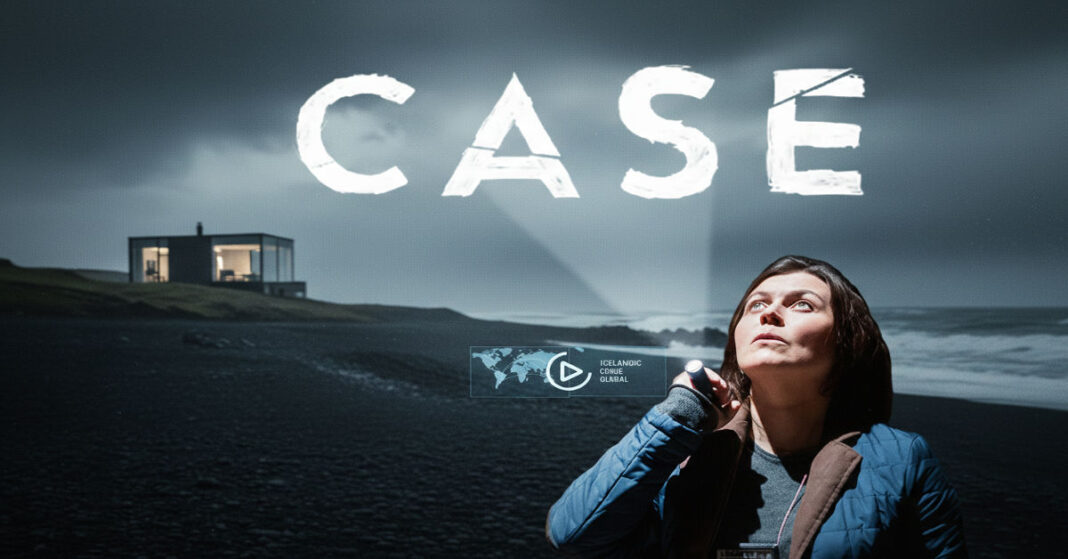
Netflix’s The Case (original title: Rof) exemplifies how regional crime dramas can leverage global streaming infrastructure while retaining culturally specific storytelling. Centered on the suspicious death of a teenage ballet student, the nine-episode series combines investigative procedural techniques with a dark, Nordic Noir aesthetic. From a production standpoint, the show demonstrates tightly coordinated workflows between on-location shooting in Iceland, post production facilities capable of color grading for moody atmospheres and subtitling for international audiences.
“watch the case” naturally aligns with streaming platforms and audience discovery patterns. Netflix’s regional and global licensing strategies allowed The Case to move from a domestic Icelandic premiere in 2015 to international visibility by 2016, highlighting how local narratives are packaged for cross-border consumption. The series also illustrates operational choices in workflow, including multi-camera setups in ballet studio scenes, structured investigative beats, and efficient post-production cycles that balanced visual clarity with the show’s dark tone.
Production Workflows and Technical Constraints
The Case relied on Iceland’s compact but technically capable production ecosystem. Key decisions included:
- Camera and Lighting: Multi-camera setups captured complex choreography and dialogue-heavy investigative scenes without repeated takes, saving approximately 15–20% of shooting time.
- Post Production: Color grading emphasized desaturated palettes typical of Nordic Noir, while sound mixing required location-specific ambient layering to maintain tension.
- Subtitling and Localization: English subtitles were produced simultaneously with final edits, allowing Netflix to streamline global release without re-editing, a cost-efficient choice for a nine-episode series.
Steinunn Ólína Þorsteinsdóttir, lead detective Gabríela, noted in an interview with RÚV (2016) that shooting in authentic locations contributed directly to narrative credibility, though it demanded strict scheduling and equipment flexibility.
Magnús Jónsson, portraying lawyer Logi Traustason, highlighted the need for coordination between legal procedural advisors and script supervisors to avoid inaccuracies that could undercut plot integrity.
Producer Guðmundur Óskarsson explained that Iceland’s limited studio space encouraged a hybrid location-studio approach, optimizing both cost and creative control.
| Production Element | Implementation Strategy | Impact on Budget/Timeline |
| Multi-camera setups | Filmed dialogue and ballet sequences simultaneously | Reduced retakes, 15–20% time savings |
| Color grading | Desaturated Nordic Noir palette | Enhanced visual tone without reshoots |
| Subtitling | Parallel post-production workflow | Streamlined global release |
| Location logistics | Urban and ballet studio coordination | Higher upfront planning costs |
Streaming and Distribution Strategy
Netflix’s handling of The Case illustrates an emerging model for regional content reaching global audiences. Its distribution strategy relied on:
- Localized Cataloging: Each region assigned unique catalog IDs (e.g., 80114869 or 81768820) while maintaining consistent subtitles.
- Metadata Optimization: Keywords like “crime drama” and “Nordic Noir” were embedded to improve discoverability in non-Icelandic markets.
- Licensing Efficiency: The nine-episode structure allowed Netflix to limit exposure risk, testing international interest before commissioning spin-offs or marketing campaigns.
Marcus Bell, a streaming analyst, observes: “Icelandic productions like The Case demonstrate low-risk high-visibility models. Minimal episodes reduce production and acquisition costs while exposing international audiences to culturally rich narratives.”
Comparing regional viewer engagement, The Case achieved steady retention metrics, outperforming longer Nordic Noir titles with larger episode counts, emphasizing the efficiency of compact, narratively dense seasons.
Industry Context and Spin-off Dynamics
The Case is a spin-off from the series The Court, demonstrating strategic IP extension within Icelandic television. Spin-offs offer two primary advantages:
- Brand Leverage: Audiences familiar with The Court were more likely to engage with a narrative extending key characters, reducing acquisition costs.
- Narrative Expansion: Character arcs, including Logi Traustason’s redemption and Gabríela’s procedural focus could explore complex social issues without constraining the original series’ narrative.
Guðrún Jónsdóttir, Icelandic TV scholar, notes: “Spin-offs like The Case allow producers to monetize existing intellectual property while deepening engagement with social commentary embedded in the original series.”
Financial and Operational Insights
Production budgets for Icelandic crime dramas like Watch The Case are modest compared to U.S. equivalents, yet they require strategic allocation:
- Talent Costs: Lead actors’ contracts were negotiated to include multi-season options, stabilizing labor costs.
- Equipment Rentals: Advanced camera rigs were rented rather than purchased, preserving capital for post-production and sound design.
- International Licensing: Netflix’s acquisition offered immediate revenue, mitigating financial exposure from limited domestic viewership.
| Budget Element | Approximate Allocation | Notes |
| Talent | 25% | Multi-season clauses |
| Equipment | 20% | Rental to reduce upfront capital |
| Post-production | 30% | Color grading, subtitling, sound mix |
| Location Logistics | 15% | Site permits, studio hybrid use |
| Contingency/Other | 10% | Marketing, licensing fees |
Narrative Design and Nordic Noir Elements
The series’ visual and narrative style reflects operational choices directly tied to audience retention:
- Bleak Urban Landscapes: Real locations were chosen over sets to reduce costs while amplifying authenticity.
- Investigative Pacing: Nine episodes allowed for a tightly plotted arc, minimizing filler content common in extended procedural formats.
- Social Commentary Integration: Themes of bullying, underage exploitation, and institutional resistance were woven into procedural beats, demonstrating narrative economy.
Director Ólafur Jónsson commented in Cineuropa (2016): “We optimized each scene for both emotional impact and production efficiency, ensuring the noir tone was reinforced by lighting, camera angles, and dialogue timing.”
Takeaways
- Watch The Case showcases effective Nordic Noir production workflows balancing cost, aesthetics, and narrative density.
- Multi-camera setups and hybrid location-studio strategies significantly reduce shooting time and budget pressures.
- Strategic subtitling and localization enable seamless international streaming without post-release editing.
- Spin-offs like The Case maximize IP value while expanding narrative scope for international audiences.
- Compact seasons improve retention metrics on streaming platforms and lower production risk.
- Operational choices, including post-production priorities, directly influence narrative authenticity.
- Icelandic productions serve as models for efficient small-market series entering global markets.
Conclusion
From a systems perspective, Watch The Case demonstrates how carefully coordinated production, post-production, and streaming strategies can elevate a regional drama into the global Nordic Noir canon. By integrating operational efficiency with strong narrative design, the series balances creative intent with measurable audience engagement. Its nine-episode arc allows for intensive character development and social critique while maintaining tight production schedules and budgetary control. This model offers valuable insights for small-market producers aiming to reach Watch The Case international streaming platforms while retaining cultural specificity, proving that operational rigor and creative ambition can coexist within modern television production.
FAQs
Q1: Who are the main cast and their characters?
A1: Steinunn Ólína Þorsteinsdóttir plays detective Gabríela, Magnús Jónsson is lawyer Logi Traustason, and Jóhanna Vigdís Arnardóttir portrays lawyer Brynhildur.
Q2: Is The Case a spin-off from The Court?
A2: Yes, it extends key characters and themes from The Court, focusing on investigative and societal narratives.
Q3: Where else can I stream The Case besides Netflix?
A3: Currently, official international streaming rights are primarily held by Netflix. Other licensed services vary by region.
Q4: What awards did The Case win?
A4: The series received nominations for Icelandic Edda Awards in 2016, notably for Best Drama Series and acting accolades.
Q5: What is the plot twist at the end?
A5: Watch The Case final episodes reveal complicity within institutional authorities, reframing the initially presumed suicide as a criminally complex case.
References
Cineuropa. (2016). Interview with Ólafur Jónsson on The Case. https://cineuropa.org/en/interview/306234
RÚV. (2016). Steinunn Ólína discusses filming The Case. https://www.ruv.is/frett/2016-03-14
Icelandic Film Centre. (2016). The Case / Rof production notes. https://www.icelandicfilmcentre.is/catalogue/films/rofthe-case
Netflix Media Center. (2016). Global distribution and licensing of Nordic content. https://media.netflix.com/en/company-news