

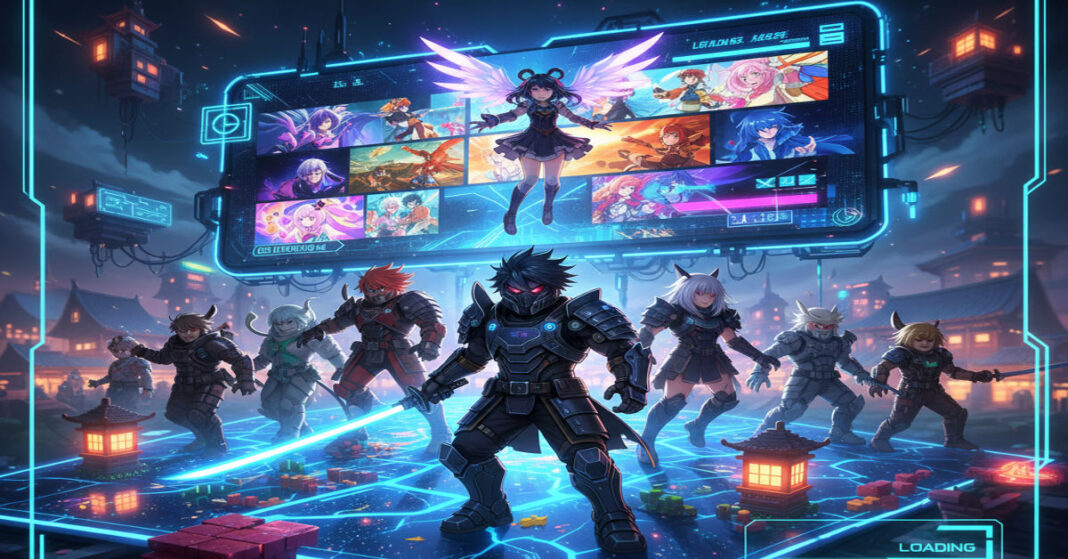
The intersection of gaming and media franchises is increasingly shaping how audiences consume entertainment. Anime Vanguards Tier List, a Roblox title featuring anime-inspired characters and tower-defense mechanics, serves as a striking example of this convergence. While players experience it as a competitive game, the design choices reveal broader trends in character storytelling, interactive narrative and audience engagement, paralleling film and streaming franchises.
Units in the game are designed with archetypes familiar from anime, each with abilities, progression paths, and aesthetic signatures. Community tier lists and progression systems, while rooted in gameplay, also mirror the strategic decisions of media producers: how to pace content, encourage repeated engagement and balance novelty with familiarity. Examining this game through a media lens offers insight into how interactive platforms reinterpret traditional storytelling and franchise mechanics for digital audiences.
Anime Influence and Character Archetypes
Anime Vanguards draws heavily from anime tropes: heroic protagonists, dark antiheroes, and visually striking antagonists. Units like Julias (Eisplosion) and Alucard (Vampire King) reflect familiar anime storytelling elements:
- Visual Identity: Costumes, colors, and animation effects are designed for immediate recognition and emotional impact.
- Archetypal Roles: Characters are categorized as “hero,” “support,” or “villain,” creating intuitive narrative understanding.
- Progression as Narrative: Units evolve through upgrades and abilities, mirroring character growth in serialized media.
From a media production perspective, this shows how interactive experiences borrow narrative frameworks from anime to enhance engagement and encourage sustained interaction.
Game Mechanics as Storytelling Tools
Although Anime Vanguards is a game, its mechanics function like storytelling devices:
- Tiered Units: The distinction between SS, A, and B tier units reflects “power hierarchies” common in anime narratives, creating stakes and progression arcs.
- Abilities and Scaling: AoE effects, buffs, and crowd control mechanics translate to narrative tension, pacing, and dramatic payoff during battles.
- Player Progression: Resource management, gem acquisition, and upgrade paths mirror serialized storytelling structures, where audiences invest time to follow evolving characters and conflicts.
This demonstrates how interactive design mirrors media narrative techniques, turning mechanics into experiential storytelling.
Community Curation and Engagement
Community-driven tier lists and team composition strategies act as crowd-sourced criticism and curation, similar to fan reviews and commentary in entertainment:
- Players collectively analyze unit effectiveness, creating a knowledge ecosystem akin to viewer discourse and critical analysis in film and anime.
- Frequent updates (Update 10, 10.5) and balancing changes mirror serialized media adjustments, responding to audience feedback to maintain engagement.
- Codes, rewards, and events act as incentive structures similar to episode cliffhangers or promotional tie-ins, encouraging continuous interaction with content.
Interactive Progression as Media Franchise Design
The resource and progression systems in Anime Vanguards reflect digital entertainment strategies:
- Gems and Upgrades: Comparable to narrative milestones or merchandising loops, giving players a sense of accomplishment.
- Trait and Familiar Systems: Introduce strategic depth, similar to branching storylines in interactive media.
- High-Tier Units: Serve as marquee characters, analogous to franchise flagship heroes or major narrative arcs.
These design elements illustrate how interactive media adopts franchise techniques to increase player retention, mirroring traditional media engagement models.
Visual and Narrative Cohesion
Units are not just functional; they communicate story and identity:
- Art and Animation: Moves and effects highlight unit personality, echoing cinematic techniques such as choreography and visual storytelling.
- Character Themes: Each unit carries a consistent thematic motif, much like a film’s costuming or cinematography conveys narrative tone.
- Synergy and Interaction: Team composition reflects ensemble storytelling, balancing lead characters with supporting roles to create satisfying progression and narrative cohesion.
Case Study: Tiered Units as Narrative Stakes
SS-tier units such as Julias (Eisplosion), World Destroyer, and Alucard are designed for impact and audience attention, similar to flagship characters in anime or film franchises. Their dominance in gameplay mirrors how protagonists and central narrative figures command screen time and audience focus, while mid-tier units support engagement through niche roles or secondary narratives.
This tiered structure shows how gamified power hierarchies simulate storytelling stakes, reinforcing investment in the broader interactive universe.
Resource Mechanics and Engagement Loops
Active codes, gem systems, and trait rerolls are digital engagement loops:
| Mechanic | Narrative Parallel |
| Active Codes | Episode or event bonuses that reward attentive audiences |
| Gems & Upgrades | Narrative milestones that advance character arcs |
| Trait Rerolls | Creative experimentation, akin to director or production adjustments |
| Memoria Shards | Unlocking lore or backstory elements, adding depth |
By designing Anime Vanguards Tier List progression to encourage repeated interaction, the game mirrors serial media retention strategies common in streaming franchises.
Team Composition as Ensemble Storytelling
Players assemble units strategically, echoing ensemble casting in film and animation:
- Balanced Teams: Include DPS, support, and control units, reflecting protagonist, supporting cast, and narrative catalysts.
- Synergy Mechanics: Units with complementary abilities create emergent narratives, similar to plot-driven character interactions.
- Late-Game Teams: High-tier combinations resemble climactic sequences where flagship characters dominate the story, reinforcing emotional payoff.
Interactive Media as Cultural Trend
Anime Vanguards Tier List exemplifies the gamification of anime culture in digital spaces:
- Fans experience anime archetypes interactively rather than passively.
- Community curation mirrors critical engagement with film or streaming media.
- Iterative updates and evolving tier systems echo serialized storytelling, keeping content fresh and audience investment high.
This highlights how interactive games are becoming extensions of media franchises, influencing narrative consumption and engagement patterns.
Takeaways
- Anime Vanguards demonstrates anime storytelling adapted for interactive media.
- Tiered units serve as narrative stakes, guiding player attention and investment.
- Trait, familiar, and progression systems mirror serialized media engagement techniques.
- Community tier lists and strategies resemble fan discourse and critique in entertainment.
- Design choices reflect visual storytelling, pacing, and character development principles from anime and film.
- Engagement loops (codes, resources) highlight gamified retention mechanisms akin to episodic media.
- Interactive ensemble composition illustrates how narrative and mechanics intersect in digital entertainment.
Conclusion
While players experience Anime Vanguards as a competitive Roblox game, its design illustrates key trends in digital media and interactive entertainment. The combination of anime-inspired units, tiered systems, progression mechanics, and community engagement reflects principles of storytelling, production design, and audience retention. By analyzing such games through an entertainment lens, we gain insight into how interactive media replicates and extends traditional narrative and franchise strategies, bridging gaming and cinematic experiences.
References
- Hanapiah, M. L. H., & Md Nasir, S. (2024). A systematic review towards evolution of interactive storytelling and audience engagement in films. International Journal of Creative Multimedia, 5(1), 55–73. https://journals.mmupress.com/index.php/ijcm/article/view/1096
- YinZhu, R. (2023). The impacts of audience contexts on interactive storytelling: Exploring how cultural backgrounds and personal preferences influence the design and development of interactive narratives. Journal of Empirical Social Science Studies, 7(1), 51–66. https://publications.dlpress.org/index.php/jesss/article/view/8
- Vertel Insight Institute. (2025). The impact of interactive storytelling in video games on player immersion. Vertel Corporation. https://vertelcorp.com/vertel-insight-institute-mobile/entertainment-mobile/the-impact-of-interactive-storytelling-in-video-games-on-player-immersion-2/
- Faheem, M., Mahmood, K., & Javaid, A. (2024). The role of digital narratives in shaping modern storytelling: Analyzing web series and interactive fiction. Journal of Humanities, Health and Social Sciences, 2(3), 26–38. https://www.jhhss.com/index.php/jhhss/article/view/30
- Ding, Y. (2025). Interactive narratives and immersive experiences: Creative logic of interactive film and television works. Proceedings of the 2nd International Conference on Interdisciplinary Humanities and Communication Studies. https://www.researchgate.net/publication/382404707_Interactive_Narratives_and_Immersive_Experiences_–_A_Brief_Discussion_on_the_Creative_Logic_of_Interactive_Film_and_Television_Works