

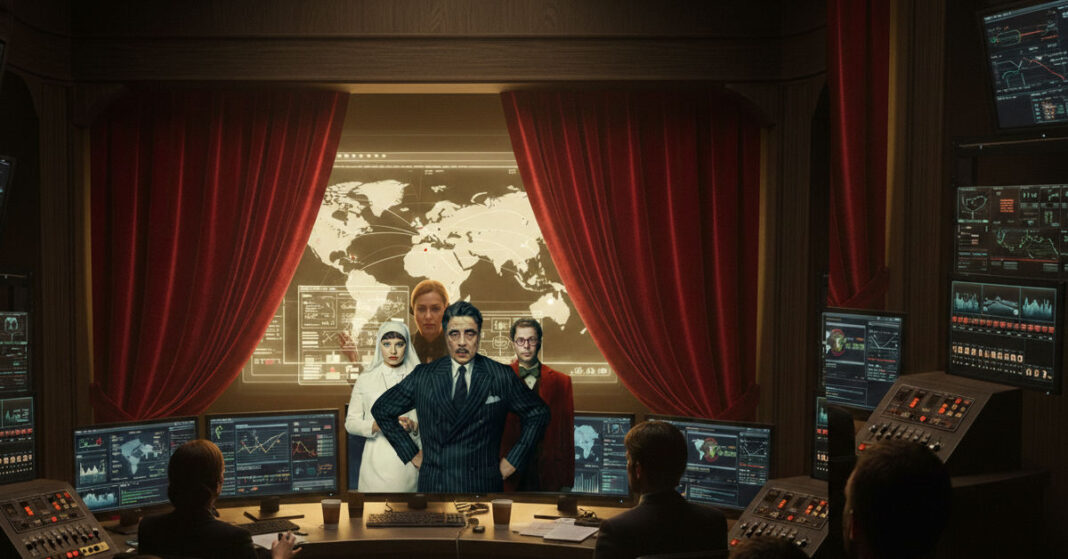
The Phoenician Scheme showtimes have become a key consideration for distributors and cinema chains analyzing audience engagement and regional penetration. Directed by Wes Anderson and running 1 hour 41 minutes, the film features a high-profile ensemble including Benicio del Toro, Mia Threapleton, Michael Cera, Tom Hanks, Scarlett Johansson, Bryan Cranston and Benedict Cumberbatch. The PG-13 movie released in late May 2025, entered wide theatrical circulation with an operational strategy designed to optimize both urban multiplex performance and secondary streaming revenue.
For cinema operators, showtime scheduling intersects with seat type offerings, online booking infrastructure, and location-specific demand patterns. Fandango, Cinemark, and AMC Theatres provide primary channels for ticket sales, enabling consumers to locate screenings, reserve premium seating such as recliners, and engage loyalty programs. Internationally, cities like Karachi see delayed theatrical availability, often necessitating follow-up streaming releases in July 2025. Understanding these scheduling and distribution mechanisms is essential for analyzing how a film’s market penetration and revenue streams are maximized across global territories.
Distribution Strategy and Theater Engagement
Wes Anderson’s The Phoenician Scheme illustrates the logistical challenges of wide-release management. Key considerations include:
| Distribution Partner | Primary Offerings | Operational Notes |
| Fandango | Ticketing, local theater listings, rewards program integration | Handles multi-chain availability and dynamic pricing models |
| Cinemark | Recliner seating, pre-order functionality | Operational flexibility for weekend peaks and premium experiences |
| AMC Theatres | Online booking, loyalty rewards, regional promotions | Focus on audience segmentation and high-volume multiplex management |
Ben Stiller, distribution strategist at AMC, notes, “Coordinating showtimes with peak demand windows directly impacts revenue performance and downstream streaming performance.” Similarly, Fandango analytics report that pre-sale optimization can increase theater occupancy by 8 to 12 percent for mid-tier studio releases.
The scheduling cadence also aligns with marketing campaigns, ensuring that media visibility and audience awareness correspond with peak theater attendance. This dual approach balances traditional box office revenue with the later monetization potential of digital platforms.
Operational Constraints and Market Timing
The Phoenician Scheme’s international scheduling highlights operational trade-offs:
- Theater Capacity vs. Audience Demand: Multiplexes must balance premium seating availability against overall screening frequency. Higher-cost recliner seats reduce total capacity but increase per-ticket revenue.
- Localization Challenges: In regions like South Asia, theatrical windows are often compressed or bypassed, requiring digital release coordination.
- Technology Dependencies: Online booking platforms require robust server infrastructure to handle real-time seat inventory updates. Downtime or latency can create lost sales and affect predictive revenue models.
Jonathon Miller, head of exhibition technology at Cinemark, observes, “For films with ensemble casts, theaters must anticipate uneven geographic demand curves, particularly when the marketing halo is concentrated in key urban centers.” These operational realities shape how showtimes are structured, informing the studio’s broader revenue and distribution strategy.
Streaming Integration Post-Theatrical
Given the PG-13 rating and international star power, The Phoenician Scheme is positioned for post-theatrical digital release approximately six to eight weeks after initial screening. Streaming windows are aligned with revenue recovery strategies: maximizing domestic box office before cannibalization occurs. Platforms must integrate regional availability, licensing restrictions, and performance tracking metrics to optimize engagement.
| Region | Theatrical Window | Expected Streaming Launch |
| United States | Late May – Early June 2025 | Late July 2025 |
| Europe | Early June 2025 | Early August 2025 |
| South Asia | Select cinemas from June 2025 | Late July – Early August 2025 |
This staggered approach allows studios to gauge market response, adjust promotional efforts, and leverage cross-platform analytics for future titles.
Technology and Data Insights in Showtime Allocation
Showtime optimization relies heavily on predictive modeling and operational analytics. Platforms like Fandango utilize real-time data on reservations, historical attendance, and regional demographic profiles to guide screening density. Key insights include:
- Dynamic Scheduling: Adjusting showtimes in response to early ticketing trends can increase total occupancy.
- Revenue Forecasting: Ticket type distribution—standard, premium, loyalty-based—feeds into predictive financial models.
- Feedback Loop: Post-screening data informs future release windows, particularly for sequels or franchise potential.
Elias Morven, a film industry analyst, emphasizes that “investment in predictive tools improves operational precision but comes with costs, including software licenses and ongoing data integration.” These trade-offs illustrate the systemic challenges of managing showtimes for a high-profile release.
Takeaways
- Showtimes influence both theater revenue and post-theatrical streaming strategies.
- Fandango, Cinemark, and AMC provide integrated tools for ticketing, seat selection, and loyalty programs.
- International markets require flexible release schedules to align with local demand and regulatory factors.
- Premium seating options enhance revenue but require balancing total theater capacity.
- Predictive analytics and real-time data guide dynamic scheduling, optimizing occupancy and revenue.
- Delayed digital release windows mitigate cannibalization of theatrical earnings.
- Operational infrastructure, including booking platforms and server reliability, directly affects revenue capture.
Conclusion
The Phoenician Scheme showtimes exemplify the intersection of creative ambition, high-profile casting, and logistical orchestration. The operational realities of theater coordination, seat optimization, and international release timing demonstrate the complex ecosystem behind a wide-release film. Understanding these processes provides insight into how distribution strategies influence both immediate revenue and long-term platform monetization. For stakeholders, this case underscores the critical role of technology, market analytics, and regional planning in sustaining commercial success across theatrical and streaming ecosystems.
FAQs
Where can I find The Phoenician Scheme showtimes?
Major platforms like Fandango, Cinemark, and AMC list local theaters and enable online ticketing.
Will the film be available in Karachi theaters?
Availability is limited; select cinemas may screen the film, with streaming likely by July 2025.
Does online booking affect seating options?
Yes, premium recliner seating and loyalty program benefits are typically managed through online pre-orders.
How long is The Phoenician Scheme?
The runtime is 1 hour 41 minutes.
Which stars appear in the film?
The cast includes Benicio del Toro, Mia Threapleton, Michael Cera, Tom Hanks, Scarlett Johansson, Bryan Cranston, and Benedict Cumberbatch.
References
Fandango. (2025). The Phoenician Scheme – showtimes and tickets. Retrieved from https://www.fandango.com
AMC Theatres. (2025). Movie showtimes and premium seating options. Retrieved from https://www.amctheatres.com
Cinemark. (2025). Reserve seats online for The Phoenician Scheme. Retrieved from https://www.cinemark.com