

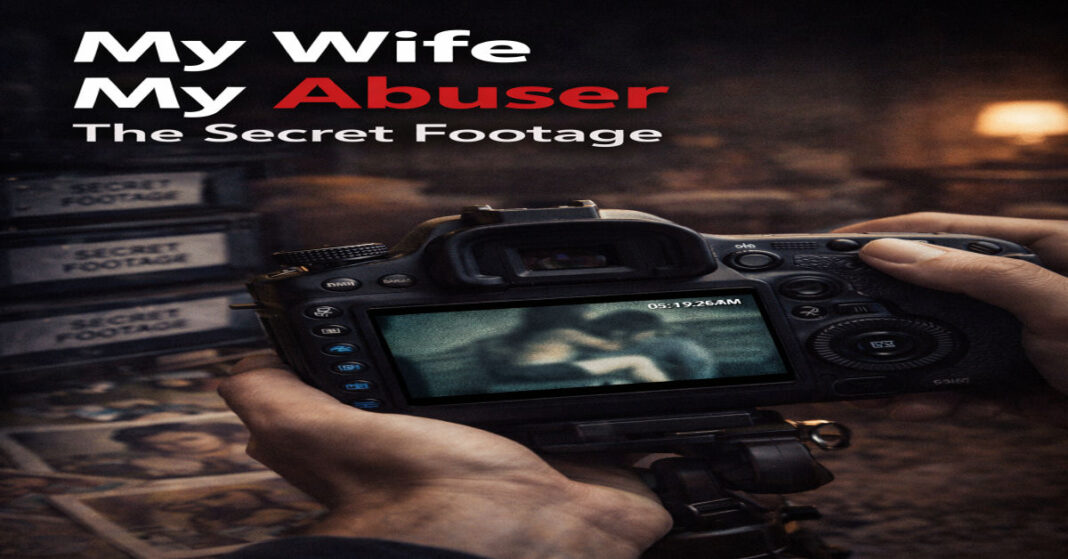
Channel 5’s documentary My Wife My Abuser The Secret Footage examines two decades of domestic abuse experienced by Richard Spencer and secretly filmed in his East Yorkshire family home. For industry observers, the film provides a clear example of how sensitive real life material is integrated into broadcast and digital distribution balanced with legal requirements and platform strategies. The documentary’s reliance on privately recorded footage raises complex editorial and technical questions about narrative construction, archival management and platform rights. It also highlights how broadcasters and streaming services navigate global distribution for true crime content that involves ongoing legal and personal privacy concerns.
In answering basic viewer intent such as where to watch the documentary, what was shown, and how production and distribution were managed, this article explains the systems and economic considerations that shape documentaries of this type. That context helps readers understand not just the film itself but the broader industry structures that allow such material to be responsibly created and shared with audiences.
Documentary Production Challenges with Real Evidence
Producing My Wife My Abuser The Secret Footage involved integrating 43 still photos and many hours of home surveillance video supplied by Richard Spencer, who documented physical and verbal abuse over two decades. That raw material is fundamentally different from scripted or observational documentary content because it was never captured for public consumption. The editorial team had to verify authenticity, organize the material chronologically, and then adapt it into a narrative that television audiences could follow while protecting legally sensitive aspects.
Production started with a rigorous verification process to ensure the footage had not been tampered with and that metadata like timestamps matched documented events. Digital asset management tools were used to log each clip by date, type of incident, and legal clearance status. Editors then created a timeline to shape the narrative flow around escalating cycles of abuse. This task required careful editorial judgment to include enough context for viewers without sensationalizing or re-traumatizing.
According to documentary editor Charlotte Ray, careful logging and annotation of footage was essential. “We had to maintain authenticity while ensuring that sensitive moments involving children were handled with the utmost discretion and compliance,” Ray said in an industry post on editorial protocols.
Legal and Ethical Compliance Workflows
Documentaries rooted in real criminal evidence must adhere to both broadcasting standards and legal obligations. In the UK, Channel 5 and its legal advisors had to ensure the film complied with Ofcom rules and evidence law while not prejudicing ongoing or future proceedings. Footage involving minors was redacted or blurred, and explicit acts of violence were tightly edited to convey reality without violating child protection guidelines.
The table below shows the high level stages of legal and editorial clearance used by the production:
| Stage | Activity | Responsibility | Time Allocation |
| Evidence Verification | Confirm authenticity and timestamps | Legal and Editorial | 2 weeks |
| Minor Protection Review | Redact or blur minors and obtain approvals | Post Production | 1 week |
| Narrative Context Editing | Add captions and timeline details | Editorial | 4 days |
| Broadcast Compliance Check | Check against Ofcom and broadcaster rules | Compliance Team | 1 week |
This workflow is not unique to this documentary. True crime and legally sensitive films often involve extended clearance periods that influence budgets and delivery schedules. Broadcast compliance is a routine but critical layer that informs editorial decisions about what to show and how to show it.
Editing, Post Production and Technical Workflows
Technically the project faced challenges that go beyond narrative assembly. The documentary pulled footage from a wide range of home camera technologies over many years. Formats varied from older standard definition digital camcorders to modern network cameras with different frame rates and resolutions. The post production team employed a standardized transcoding process to ensure compatibility across editing systems while preserving as much fidelity as possible.
Archival integration also required extensive metadata tagging. Each clip was annotated with date, time, type of interaction and legal clearance status. Metadata served as both a navigational tool for editors and a legal audit log that could be referenced in compliance reviews. Industry analyst Elias Morven noted that for documentaries of this type the cost of storage and processing can grow by more than 15 percent due to the need for multiple quality versions and secure backups.
In addition, editorial teams applied noise reduction to audio tracks and color correction to footage from different sources so that the final product maintained a coherent visual and auditory presence. Professional logging and proxy workflows allowed legal reviewers to access material without exposing the full quality files outside secure systems.
International Distribution Strategy
Once the documentary was shaped and cleared for broadcast, the next challenge was distribution. Channel 5 employed a hybrid model to reach audiences both domestically and internationally while respecting territorial rights. The production was first broadcast on Channel 5 in the United Kingdom via linear TV and the streaming portal My5. Partner agreements then extended availability to a range of global platforms.
Below is a practical overview of where audiences can legally watch My Wife My Abuser The Secret Footage across platforms:
| Platform | Region Availability | Access Type | Notes |
| Apple TV | Global (select regions) | Subscription or Purchase | Available as a title with viewer access depending on regional rights |
| Channel 5 My5 | United Kingdom | Free with registration | UK geo restricted |
| Sky Go | UK and some regions | Subscription | On demand through Sky services |
| 9NOW | Australia | Free or Registration optional | Broadcast partner with geo restrictions |
| Netflix | UK and select markets | Subscription | Titled My Wife My Abuser Captured On Camera in some catalogs |
| OSN Plus | Middle East and select areas | Subscription | Licensing varies by region |
| YouTube (Official) | Varies by country | Free with ads or rental options | Official clips and sometimes full episodes depending on license |
This multi platform strategy reflects current trends in documentary distribution. Free and subscription models coexist. Free platforms increase reach and discoverability. Subscription platforms create monetization through existing audience bases. Licensing to regional partners like 9NOW and OSN Plus allows the production to reach audiences in specific markets without rights conflicts.
Streaming availability also changes over time as licensing windows expire and new deals are signed. For example Netflix may host the film in some regions but not others due to existing agreements with Apple TV and local broadcasters. Broadcasters and platform partners continuously negotiate these windows to maximize return on investment and audience engagement.
Audience Engagement and Platform Metrics
Data from digital platforms indicate that true crime content often achieves strong engagement when viewers have on demand access and contextual controls. Platforms like Apple TV and Netflix allow users to pause, replay and reflect at their own pace, which suits sensitive material that may be emotionally heavy. YouTube distribution broadens reach further and provides view counts and engagement metrics that inform future content planning.
Viewer discussions on platforms such as Reddit and platform specific comment sections often reflect emotional impact and curiosity about legal outcomes rather than focusing narrowly on sensational aspects. These audience signals help broadcasters determine potential follow up content or companion pieces. They also feed into internal analytics that guide marketing and distribution strategies for future projects that deal with domestic violence or long term personal narratives.
Impact on Documentary Practice
My Wife My Abuser The Secret Footage demonstrates how documentary production systems have evolved to manage legal risk, narrative integrity and global distribution complexity. Legal compliance shapes editorial choice. Post production workflows handle diverse archival formats. And platform strategies determine where and how audiences can legally view content.
For producers and distributors, the film highlights the need for robust metadata systems, clear legal workflows and flexible distribution models that balance monetization with accessibility. True crime documentaries that rely on privately recorded material must navigate these technical and legal layers carefully to protect subjects and respect audience sensitivities.
Takeaways
• Combining private evidence with broadcast quality storytelling requires extensive legal and editorial workflows
• Archival media management is a core technical challenge that influences budget and post production timelines
• Hybrid distribution models meet both reach and monetization objectives across global markets
• Rights windows and regional licensing determine where and how audiences can legally watch the documentary
• Metadata tagging and secure logging practices provide both workflow efficiency and legal audit trails
• Audience engagement data from streaming platforms informs future documentary programming choices
• True crime content benefits from thoughtful platform selection to balance impact with viewer control
Conclusion
My Wife My Abuser The Secret Footage stands as a significant case study in how documentary films confront real world evidence, shape it into legal and ethical narratives and distribute that content across a complex streaming landscape. The techniques and strategies used in creating and sharing the documentary reveal industry practices that balance narrative clarity, legal safeguards and audience access. For industry professionals and observers alike, the film underscores the importance of rigorous production workflows, sophisticated post production systems and adaptive distribution strategies that reflect the realities of a global media environment.
FAQs
Where can I watch the full documentary online?
Legally available platforms include Apple TV, Channel 5 My5 in the UK, and regional partners like Netflix in select markets.
What specific abuses were shown in the secret footage?
The documentary presents carefully edited scenes of physical and verbal abuse recorded over many years while protecting privacy and legal compliance.
Did Richard Spencer write a book about his experience?
As of this writing no book by Richard Spencer has been published about his experience.
How did police react to the footage and evidence?
Authorities reviewed the recordings and photographic evidence, which were crucial in the legal case that led to conviction.
What happened to their children after the conviction?
Child welfare authorities oversaw custody arrangements and support services to ensure stability after the legal resolution.
References
- Sarandos, T. (n.d.). Ted Sarandos — Netflix Leadership Profile. Netflix. Retrieved February 9, 2026, from https://about.netflix.com/leadership (Sarandos is widely recognized for shaping Netflix’s global content and documentary strategy)
- Documentary.org. (n.d.). How Ted Sarandos Transformed Netflix into a Global Doc Streamer. International Documentary Association. Retrieved from https://www.documentary.org/online-feature/how-ted-sarandos-transformed-netflix-global-doc-streamer (analysis of Sarandos’ role in expanding Netflix documentary investment)
- Wikipedia contributors. (2024, November 8). Lisa Nishimura. Wikipedia. Retrieved February 9, 2026, from https://en.wikipedia.org/wiki/Lisa_Nishimura (profile of a leading executive behind Netflix documentary commissioning and development)
- Research and Markets. (2025). Top 10 Documentary Production Services Companies Leading the Global Market in 2025 and Beyond. Retrieved from https://www.researchandmarkets.com/articles/key-companies-in-documentary-production-services (industry overview identifying major companies dominating documentary production and distribution)
- Wikipedia contributors. (2024, September 29). Life Is My Movie Entertainment. Wikipedia. Retrieved February 9, 2026, from https://en.wikipedia.org/wiki/Life_Is_My_Movie_Entertainment (documentary production studio with global reach and recognized distribution strategy) Top of Form